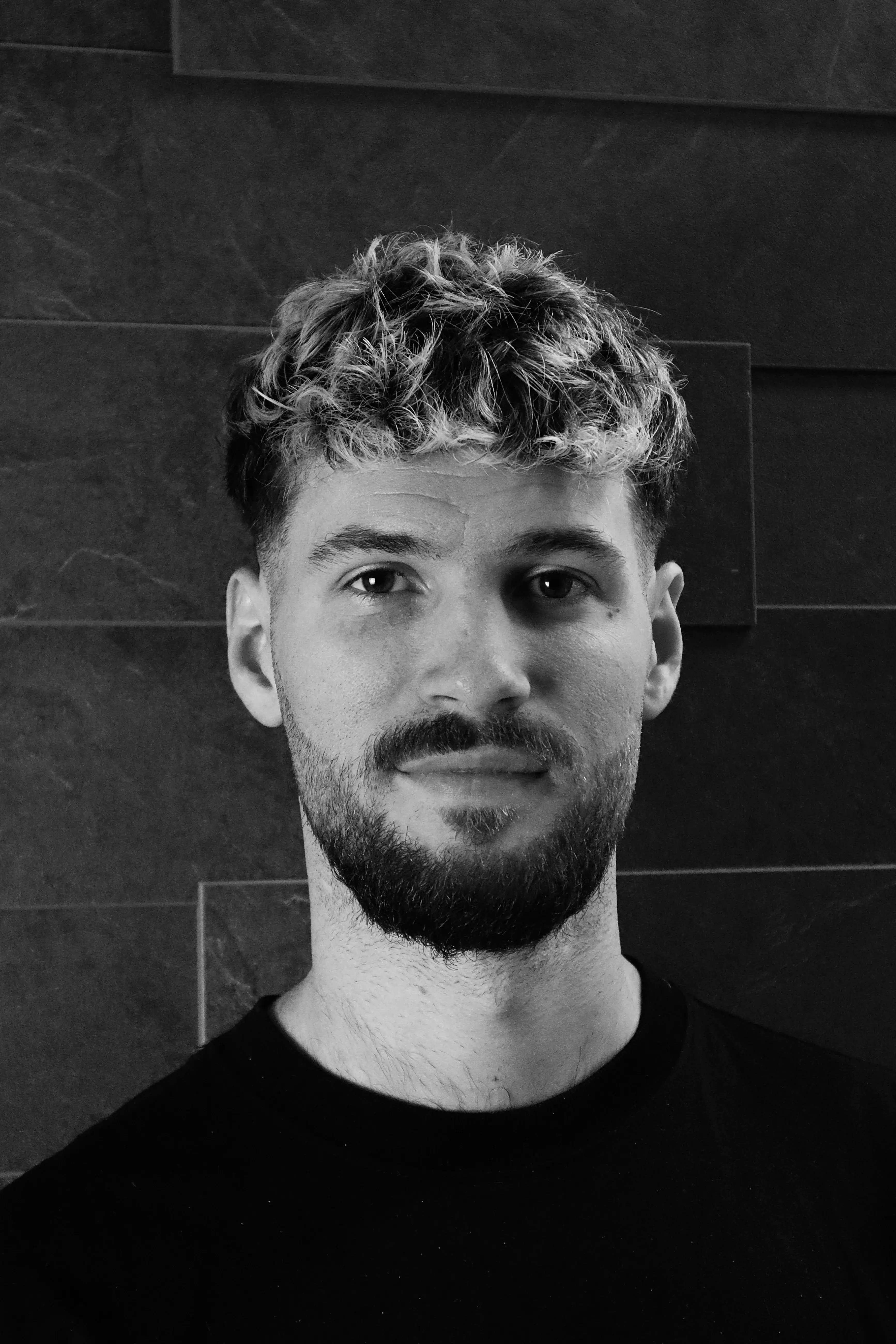
Fashion Is Cyclical
If there is one immutable law in men's grooming, it is this: everything comes back. The hairstyles your father wore in the 1970s, the cuts your older brother sported in the 1990s, and even the daring experiments of the 1980s -- they all return, reshaped and reinterpreted for a new generation.
This cyclical nature is not random. Each era's hairstyles were a response to the culture of their time: rebellion, conformity, musical movements, economic conditions, and shifts in masculinity. When those cultural currents rhyme with the present -- and they always do, eventually -- the styles resurface.
What makes this particular moment in men's grooming so interesting is the sheer variety of revivals happening simultaneously. We are not seeing one dominant retro trend. Instead, the 2020s have become a blender of decades, pulling from the 1960s through the early 2000s and remixing everything with modern techniques like fades, texture, and product innovation that simply did not exist in previous eras.
Let us look at the styles that are back -- and why they work even better today than they did the first time around.
The Shaggy Haircut
Then: 1970s Rock and Roll
The shag was the hairstyle of 1970s rock. Mick Jagger, Rod Stewart, David Cassidy -- they all wore some version of it. Defined by its layers, feathered ends, and deliberately unkempt appearance, the shag was a rejection of the clean-cut, slicked-back styles of the previous decade. It said: "I woke up like this, and I do not care."
The original shag was heavily layered, often reaching past the ears and collar, with bangs that fell across the forehead. It was louder, bigger, and messier than almost anything men had worn before.
Now: Modern Textured Shag
Today's shag is more refined but keeps the spirit. Modern versions tend to be shorter -- often sitting around ear length -- with more controlled layering and a deliberate texture achieved through point cutting and razor work. The messiness is still there, but it is intentional messiness, maintained with sea salt sprays and texturizing products rather than simply skipping the comb.
The modern shag works particularly well on wavy and curly hair, where the natural texture amplifies the layered, lived-in look that makes this style so appealing.
The Mod Cut
Then: 1960s British Invasion
When The Beatles stepped off the plane in New York in 1964, they brought more than music. The "mop top" -- a variation of the mod cut -- became one of the most imitated hairstyles in history overnight. The mod movement in Britain had already established a clean, sharp aesthetic: neat side partings, forward-falling fringes, and a polished look that contrasted with the greaser styles across the Atlantic.
The mod cut was about precision and control. Hair was kept at a medium length, combed forward, and shaped to frame the face. It was sophisticated, youthful, and distinctly European in sensibility.
Now: The Modern Choppy Mod
The contemporary mod cut keeps the forward-falling fringe and the face-framing shape but adds texture and movement that the original lacked. Modern versions often feature a disconnected or tapered fade on the sides, with the top left longer and styled forward with a matte or low-shine product.
The result is a style that nods to the 1960s but feels thoroughly current -- clean enough for a corporate office, textured enough for a Friday night out. It is one of the most versatile revival styles available right now.
The Mullet
Then: 1980s Bold Statement
No hairstyle has had a more dramatic fall and rise than the mullet. In the 1980s, it was everywhere -- David Bowie, Billy Ray Cyrus, Patrick Swayze, and countless rock musicians wore the "business in the front, party in the back" silhouette with absolute conviction. The mullet was bold, polarizing, and unapologetically loud.
By the late 1990s, the mullet had become a punchline. It spent nearly two decades as the go-to example of bad taste in hairdressing. And then something unexpected happened.
Fun Fact: The Beastie Boys are widely credited with popularizing the term "mullet" in their 1994 song "Mullet Head." Before that, the style existed but did not have a universally recognized name -- it was variously called the "Kentucky waterfall," "hockey hair," or simply "short-long."
Now: The Modern Burst Fade Mullet
The COVID-19 pandemic, of all things, sparked the mullet's comeback. With barbershops closed, men experimented at home, and the mullet -- which is surprisingly easy to grow into from many existing styles -- became a lockdown favourite. When shops reopened, barbers were surprised to find clients asking to refine rather than remove their mullets.
Today's mullet is a fundamentally different animal. The modern version typically features a burst fade or taper around the ears, a textured top with volume and movement, and a back section that flows naturally rather than hanging like a curtain. It is softer, more sculpted, and infinitely more wearable than the rigid 1980s original.
The modern mullet has found particular popularity in Australia, South Korea, and parts of Europe, where it has been embraced by athletes, musicians, and fashion-forward men who appreciate its rebellious edge combined with contemporary technique.
The Middle Part
Then: 1970s and 1990s Icon
The middle part has had two major eras. In the 1970s, it was the default for men with medium to long hair -- think John Travolta in his early career or any folk musician of that decade. It faded, then roared back in the 1990s with a vengeance. Leonardo DiCaprio in "Titanic," Kurt Cobain on stage, Johnny Depp in everything -- the centre part was the hairstyle of 1990s heartthrobs and grunge musicians alike.
Now: The Modern E-Boy and Beyond
The middle part returned around 2020, initially driven by the "E-boy" aesthetic on TikTok -- a digital-age subculture that blends skater, goth, and K-pop influences. Young men began parting their hair down the centre, letting curtain-like sections fall on either side.
But the style has since outgrown its internet origins. Today, the middle part is worn at various lengths and textures, from short and tousled to longer and more flowing. It works best on men with symmetrical faces and suits oval, diamond, and heart-shaped faces particularly well. The key to the modern middle part is volume and texture -- flat, limp centre parts look dated, while ones with body and movement look fresh.
The Burst Fade
Origin: 2000s Innovation
The burst fade is not a revival in the traditional sense -- it is a relatively recent innovation that has become one of the defining techniques of modern barbering. Originating in the early 2000s, the burst fade creates a semicircular fade pattern around the ear, radiating outward like a sun burst. Unlike a standard skin fade that follows the hairline in a straight gradient, the burst fade curves, creating a distinctive rounded silhouette.
Why It Dominates Today
The burst fade has become the Swiss army knife of contemporary barbering. It pairs beautifully with mullets (the burst fade mullet is arguably the most-requested modern style), mohawks, and longer styles on top. It adds a clean, technical element to otherwise wild or free-flowing hairstyles, creating a contrast between precision and texture that defines the current moment in men's grooming.
The technique requires genuine skill -- a poorly executed burst fade is immediately obvious -- which is part of its appeal. It signals that you visit a barber who knows what they are doing.
The Textured Crop
Then: Roman Roots, French Crop Heritage
The textured crop has ancient roots. Roman soldiers wore forward-falling, cropped hair for practical reasons -- it was clean, manageable, and did not interfere with helmets. The style evolved through centuries into what the French called the "crop" -- a short, forward-styled cut that has been a barbershop staple in continental Europe for generations.
The style gained cinematic visibility through "Peaky Blinders," where the textured crop (combined with a disconnected undercut) became the defining look of the show's post-WWI Birmingham gangsters. That show, more than any single influence, brought the textured crop into mainstream modern barbershop culture.
Now: The Barbershop Essential
Today's textured crop is one of the most requested styles in barbershops worldwide. It features short to medium length on top, styled forward with choppy, textured ends, and typically a mid to high fade on the sides. It is low-maintenance, works with virtually every hair type, and suits most face shapes -- making it the rare style that is both trendy and universally flattering.
The textured crop is particularly effective for men with thinning hair, as the forward styling and textured ends create the illusion of density without the effort or artifice of more complex styles.
Curtain Bangs
Then: 1990s Heartthrob Standard
Curtain bangs -- long, face-framing fringe pieces that part in the middle and fall to either side -- were the signature look of 1990s leading men. From Brad Pitt to River Phoenix to nearly every boy band member of the decade, curtain bangs communicated effortless cool and youthful charm.
The 1990s version was often grown out rather than deliberately cut, giving it a slightly accidental quality. Men would grow out their bangs, push them to the sides, and let gravity and hair gel do the rest.
Now: Deliberate and Refined
Modern curtain bangs are cut with intention. Barbers layer the fringe pieces to create a natural-looking cascade that frames the face without obscuring it. The sides can be anything from a clean taper to a low fade, and the back is typically kept shorter than the front to create shape and dimension.
The contemporary version benefits enormously from modern styling products -- lightweight creams and sea salt sprays give the bangs hold and texture without the stiffness that 1990s hair gel imposed. The result is a style that moves naturally and looks equally good whether air-dried or blow-dried into shape.
Curtain bangs work exceptionally well for men looking to soften a high forehead or add visual interest to an oblong face. They are also one of the easier "trendy" styles to grow into, requiring nothing more than patience and periodic trimming of the sides.
The Common Thread: Texture and Individuality
Looking at all these returning styles together, a clear theme emerges. The defining characteristics of modern men's hair are texture and individuality. We have moved away from the uniform, product-heavy precision of the early 2010s -- where every man in a barbershop seemed to leave with some variation of a high skin fade and a rigid pompadour -- toward a more relaxed, personal approach.
Today's best hairstyles have movement. They look like they belong to the person wearing them rather than being lifted wholesale from an Instagram reference photo. The retro revivals work because they were originally born from that same spirit of personal expression. The 1970s shag, the 1960s mod cut, the 1990s curtain bangs -- each was, in its time, a statement of identity.
Modern barbering techniques -- fades, tapers, texturizing methods, and an understanding of product science that previous generations lacked -- mean these styles look better now than they ever did. The tools are sharper, the products are smarter, and the level of skill in contemporary barbershops has arguably never been higher.
The takeaway? Do not be afraid to look backward for inspiration. The best hairstyles are timeless for a reason. The key is to find a barber who understands both the heritage and the modern adaptation -- someone who can take a classic silhouette and make it work for your hair, your face, and your life today.
At BarberBP, our team stays current with global trends while honouring the craft's history. Whether you want a clean textured crop or a bold modern mullet, we have the skills and the passion to make it happen.