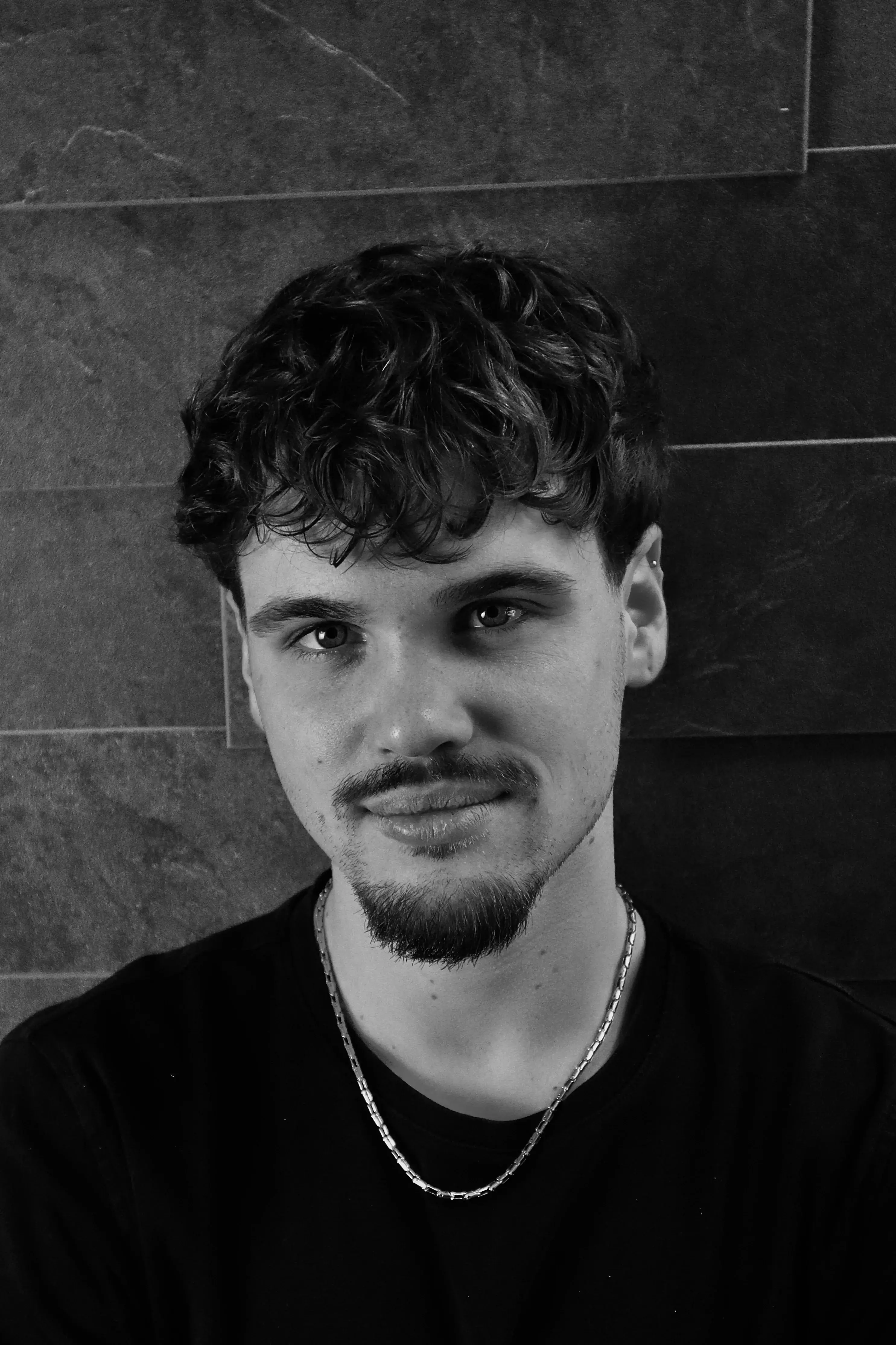
Why Face Shape Matters
Walk into any barbershop and ask for "something that looks good," and you will likely leave with a decent haircut. But walk in knowing your face shape, and you will leave with a great haircut -- one that genuinely complements your features rather than fighting against them.
The relationship between face shape and hairstyle is one of the oldest principles in grooming. Barbers and hairstylists have relied on it for centuries to create balance, draw attention to strong features, and soften less favourable angles. The concept is simple: every face has a natural geometry, and the right haircut works with that geometry instead of ignoring it.
This does not mean there is only one correct haircut for every face shape. Far from it. But understanding the basic framework gives you -- and your barber -- a much stronger starting point. Think of it as a compass, not a rulebook.
Fun Fact: The Ancient Greeks considered the oval face the "divine" proportion. They believed it reflected the golden ratio (approximately 1:1.618), and sculptors deliberately carved statues with oval facial proportions to represent ideal beauty.
The 7 Face Shapes
While every face is unique, most men's faces fall into one of seven general categories. Knowing which one is yours is the first step toward making smarter decisions at the barber's chair.
1. Oval
The oval face is often called the most versatile shape. It is slightly longer than it is wide, with a gently rounded jawline and balanced proportions from forehead to chin. If your face is oval, consider yourself fortunate -- most hairstyles will work well on you. The forehead is slightly wider than the jaw, and the cheekbones are the widest point of the face.
2. Round
A round face has roughly equal width and length, with soft, curved lines and full cheeks. The jawline lacks sharp definition, and the cheekbones are the widest part. The goal with a round face is typically to add height and create the illusion of length, which is why structured, angular cuts tend to be the most flattering.
3. Square
The square face is defined by a strong, angular jawline and a forehead that is roughly the same width as the jaw. The face has a blocky, masculine quality. This shape suits short, clean cuts that emphasize the strong bone structure. Many classic military-inspired styles were essentially designed for square faces.
4. Heart
Heart-shaped faces are wider at the forehead and cheekbones, then narrow sharply toward a pointed chin. The forehead is the widest part. The challenge here is to balance the top-heavy proportions -- styles with medium length and some volume on the sides generally achieve this well. A beard can also help widen the lower half of the face visually.
5. Oblong
An oblong (or rectangular) face is noticeably longer than it is wide, with a high forehead and a long, straight cheek line. The forehead, cheekbones, and jaw are roughly the same width. The primary goal is to avoid adding more height. Side parts, fringes, and styles that add width are your best allies.
6. Diamond
The diamond face has narrow forehead and jawline with wide, high cheekbones -- the widest part of the face. It is one of the rarer face shapes. Textured, layered styles that add fullness at the forehead and chin area work well, as they help balance the proportions above and below the cheekbones.
7. Triangle
A triangle (or pear-shaped) face has a narrow forehead that widens toward a broad, heavy jawline. The jaw is the widest part of the face. The goal is to add volume and width to the upper portion of the head. Fuller styles on top and at the sides of the temples help create a more balanced appearance.
How to Determine Your Face Shape
You do not need fancy tools. A mirror, a bar of soap (or a whiteboard marker), and about two minutes are all it takes.
The Mirror Method:
1. Pull your hair back completely so your entire face is visible.
2. Stand about an arm's length from a mirror and look straight ahead.
3. Using a bar of soap or erasable marker, trace the outline of your face on the mirror -- follow your hairline, temples, cheekbones, jawline, and chin.
4. Step back and look at the shape. Compare it to the seven types described above.
For a more precise approach, you can take four measurements with a flexible tape measure:
- Forehead width: Across the widest part, from the peak of one eyebrow arch to the other.
- Cheekbone width: Across the face at the highest point of the cheekbones.
- Jawline width: From the tip of the chin to below the ear (where the jaw angles upward), then double the number.
- Face length: From the center of the hairline straight down to the tip of the chin.
Compare the numbers. If your face length is greatest and the three widths are fairly similar, you are likely oblong. If cheekbone width is greatest and length is moderate, you are probably oval or diamond. If all four measurements are close, you are likely round or square -- the difference being whether your jaw has sharp angles (square) or soft curves (round).
Recommendations by Face Shape
Here is a quick-reference guide for what tends to work -- and what to avoid -- for each face shape:
| Face Shape | What Works | What to Avoid |
|---|---|---|
| Oval | Almost anything -- quiffs, pompadours, side parts, buzz cuts, textured crops | Heavy, blunt bangs that hide the forehead and break the natural balance |
| Round | Pompadour, sharp side part, faux hawk, high fade -- styles that add height and angles | Uniform length all around, rounded bobs, centre parts that emphasize width |
| Square | Short military cuts, textured top with short sides, classic taper, crew cut | Helmet-style cuts or overly rounded shapes that fight the angular bone structure |
| Heart | Medium-length styles, textured fringe, side-swept bangs; a beard helps balance the chin | Very short sides with lots of volume on top, which exaggerates forehead width |
| Oblong | Side part, fringe/bangs, medium length on sides -- styles that add width and reduce visual height | Tall pompadours, mohawks, or anything that adds significant height on top |
| Diamond | Textured layers, fringe, side-swept bangs, medium-length styles that add forehead fullness | Extremely short sides that make the cheekbones look even wider |
| Triangle | Fuller styles on top and at the temples, layered cuts, voluminous quiffs | Very short sides or slicked-back styles that expose the narrow forehead |
Remember, these are guidelines, not laws. A skilled barber can adapt almost any style to work with your face -- which is exactly why communication with your barber matters so much.
Hair Texture Matters Too
Face shape gets the most attention, but your hair's natural texture plays an equally important role in determining which styles are realistic and low-maintenance for you.
Straight Hair
Straight hair is the most predictable to work with. It holds clean lines well, which makes sharp partings, slick-backs, and structured styles straightforward. On the downside, very straight hair can sometimes look flat, so adding texture with a matte product or asking for layered cutting techniques can bring life to the style.
Wavy and Curly Hair
Waves and curls add natural volume and texture that many straight-haired men envy. Embrace it. Textured crops, messy quiffs, and medium-length layered styles look fantastic with natural wave. The key is working with the curl pattern rather than fighting it. Avoid styles that require pin-straight precision unless you are willing to use a flat iron daily.
Thick Hair
Thick hair gives you plenty of volume to play with, but it can become bulky if not managed. Thinning techniques, undercuts, and styles that remove weight strategically are your friend. The good news: thick hair holds shape exceptionally well.
Fine or Thin Hair
Fine hair benefits from shorter, more structured styles that create the illusion of density. Textured crops, French crops, and shorter quiffs work well. Avoid very long styles that can look wispy, and consider volumising products to add body at the roots.
Beyond the Face: Other Factors to Consider
Face shape and hair texture are the two biggest variables, but a few other features deserve attention:
Forehead
A high or large forehead can be softened with a fringe or textured bangs. A low forehead benefits from styles that are swept back or up, creating the illusion of more space. If your hairline has receded, shorter styles or a confident buzz cut often look cleaner than longer styles that try to disguise the recession.
Ears
Prominent ears are easily balanced with styles that keep some length on the sides. If your ears sit close to your head, short fades and tight side cuts will look great without any concern about drawing attention to them.
Neck and Neckline
A thick or short neck benefits from tapered necklines that create a clean transition. A longer neck allows for more options, including blocked necklines and longer styles at the back.
Common Mistakes
Even with the best intentions, there are a few traps that men commonly fall into:
- Copying a celebrity without considering your own features. A hairstyle that looks incredible on Brad Pitt may not translate to your face shape, hair texture, or hairline. Use celebrity photos as inspiration and starting points, not blueprints.
- Ignoring your lifestyle. A hairstyle that requires 20 minutes of styling every morning is not realistic for someone who wakes up 15 minutes before leaving the house. Be honest about how much effort you are willing to invest daily.
- Chasing trends blindly. The latest TikTok haircut may look fantastic on a 19-year-old model. That does not automatically mean it will work for everyone. Trends are worth exploring, but they should always be filtered through what suits you.
- Not communicating with your barber. Your barber has trained eyes and years of experience. Tell them what you like, show them reference photos, and then listen to their professional feedback. The best results come from collaboration.
- Skipping regular maintenance. Even the best haircut deteriorates after a few weeks. Booking regular appointments -- typically every 3 to 4 weeks -- keeps your style looking sharp and intentional rather than overgrown.
The BarberBP Approach
At BarberBP, every consultation begins with understanding your face shape, hair texture, and personal preferences. Our barbers are trained to analyse these factors and recommend styles that not only look great on day one but also grow out well and fit your daily routine.
Whether you already know exactly what you want or you are starting completely from scratch, we are here to help you find the perfect cut. Sometimes the best hairstyle is one you never even considered -- and that is where a professional consultation makes all the difference.
Ready to find your ideal style? Book a consultation at BarberBP. Our barbers will analyse your face shape, discuss your preferences, and recommend the haircut that works best for you.
Visit us at 1137 Budapest, Radnoti Miklos utca 15/B or book your appointment online.